
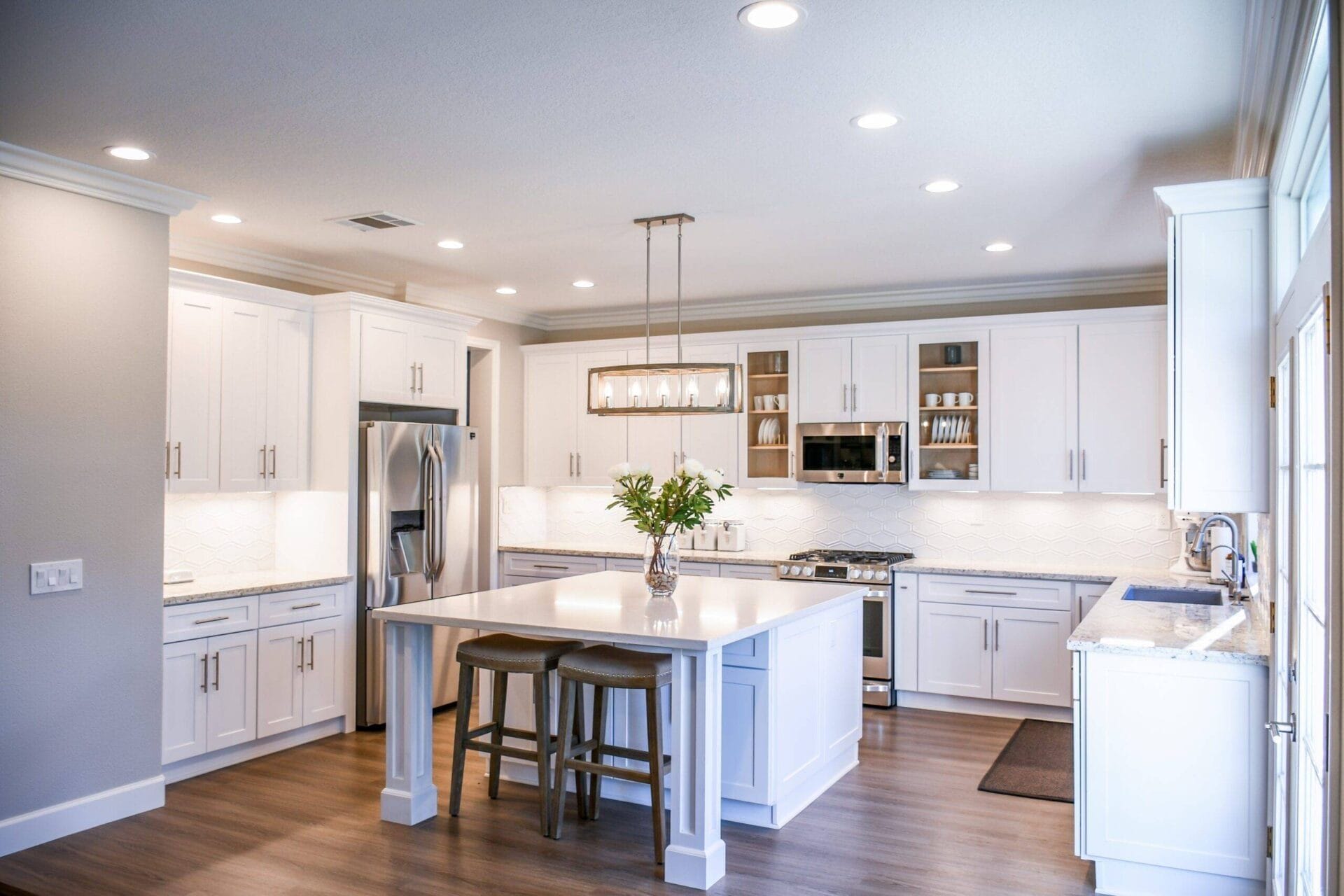
Granite House welcomes you to the ultimate guide to kitchen layout, a comprehensive reference for designing a culinary area that is both practical and aesthetically pleasing. The foundation of a productive and pleasurable culinary experience lies in the careful arrangement of a thoughtfully designed kitchen layout.
Whether one is undertaking a kitchen renovation or commencing a project from its inception, this comprehensive guide aims to equip individuals with the requisite knowledge and inspiration to design a layout that effectively maximises spatial utilisation, optimises workflow efficiency, and embodies one’s unique personal style.
In addition, an examination of various kitchen layouts will be conducted, with an emphasis on elucidating the advantages and factors to be taken into account for each respective layout.
Prepare yourself for an exploration of ingenuity and practicality as we delve into the principles behind the realisation of your ideal kitchen space. This discourse aims to explore the realm of kitchen layout design and facilitate the conversion of your culinary area into a sanctuary of gastronomic pleasure.
WHAT ARE THE 6 MOST COMMON KITCHEN LAYOUTS?
In the UK, there are several popular kitchen layouts that are commonly used in homes. The six main kitchen layouts are:
- Galley Kitchen: This layout consists of two parallel walls with a walkway in between. It is suitable for narrow spaces and provides a straightforward and efficient workflow from one end to the other.
- L-shaped Kitchen: As the name suggests, this layout forms an “L” shape, utilising two adjacent walls. It offers a good amount of counter space and can accommodate a dining or breakfast area if there’s enough room.
- U-shaped Kitchen: This layout features three walls of cabinetry, forming a “U” shape. It provides ample storage and worktop space and is great for larger kitchens with enough room to move around freely.
- Island Kitchen: In this layout, a central island is added to the kitchen space. It can be combined with any of the previous layouts (L-shaped, U-shaped, or Galley) to provide additional workspace and seating options.
- Peninsula Kitchen: Similar to the island kitchen, but in this case, the central extension is connected to one of the main walls or cabinets, creating a partial separation between the kitchen and adjacent room while maintaining an open feel.
- Single-wall Kitchen: This layout is ideal for smaller spaces or studio apartments where all kitchen components, such as the sink, stove, and refrigerator, are aligned along a single wall.
Each of these layouts has its advantages and is suitable for different kitchen sizes and shapes, so it’s essential to consider your available space and personal preferences when choosing the right layout for your kitchen.
GOOD KITCHEN LAYOUT DESIGN PRINCIPLES
The process of designing a kitchen can be perceived as a challenging endeavour; however, by adopting an appropriate methodology, it can transform into an enjoyable and fulfilling undertaking. An optimal kitchen arrangement should possess attributes of functionality, comfort, and aesthetic appeal.
This essay aims to explore the fundamental principles and important factors involved in the design of an effective kitchen layout. Specifically, it will delve into the concepts of the work triangle, zoning, and ergonomic design.
The Concept Of The Triad Arrangement
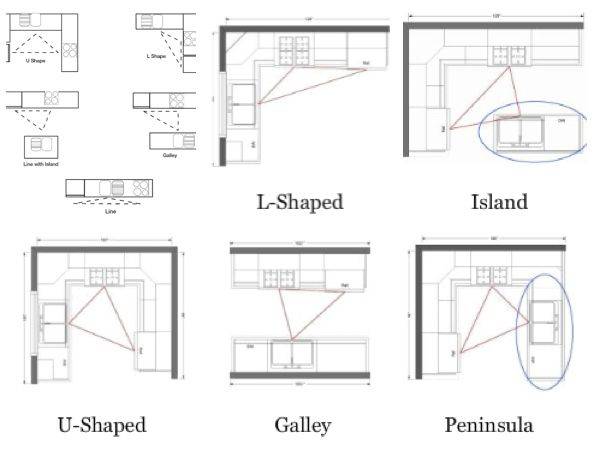
The concept of the triad arrangement is a fundamental principle in the field of kitchen design. The process entails arranging the stove, sink, and refrigerator in a triangular configuration to minimise the spatial separation among them and enhance the ease of movement.
The optimal configuration of the work triangle necessitates a compact design, wherein each leg of the triangle should ideally span a distance ranging from 4 to 9 feet. This facilitates a seamless transition among the three primary functional zones within the kitchen space.
The utilisation of the work triangle concept proves to be particularly advantageous in compact kitchen spaces, where the optimisation of every square inch is of utmost importance.
Zoning
Zoning is an additional crucial factor to take into account when it comes to kitchen design. It entails the practice of categorising and clustering comparable activities.
- Food preparation area: food preparation, cooking, and cleaning, within a given space. This process aids in optimising the workflow and enhancing the efficiency of the kitchen.
- Cooking area: The cooking area may encompass various appliances such as the stove, oven, and microwave.
- Cleaning area: The cleaning area may consist of the sink, dishwasher, and trash can.
Advantages of zoning: The utilisation of zoning is particularly advantageous in the context of larger kitchens, wherein a greater amount of physical space is available for culinary activities.
User-centred design
The concept of user-centred design refers to the practice of creating products, systems, or environments that are optimised to enhance human well-being.
The incorporation of user-centred design is of paramount importance in the realm of kitchen design.
- Prioritising user comfort: The concept of user-centred design encompasses the creation of a kitchen space that prioritises user comfort and safety, incorporating elements such as sufficient lighting, ventilation, and storage capacity.
- worktop height: The optimal height of the countertop should be adjusted to ensure the homeowner’s comfort, while also providing ample workspace.
- Sink placement: The optimal placement of the sink should be at a height that ensures ergonomic comfort for users. Additionally, the sink should possess sufficient depth to accommodate the dimensions of larger cooking utensils such as pots and pans.
- Safe positioning of cooker: To prevent accidents, it is recommended that the cooker be positioned at a safe distance from both the washbasin and refrigerator.
- Illumination: The kitchen ought to possess sufficient illumination, ideally through the utilisation of natural light, and should be equipped with proper ventilation mechanisms to prevent the accumulation of cooking fumes.
In short, the kitchen must possess sufficient storage capacity, encompassing cabinets and drawers that are conveniently accessible.
Customised for the Homeowner
In general, an effective kitchen design should be customised to accommodate the specific requirements and inclinations of the resident, while considering their culinary practices, way of life, and financial constraints.
IMPORTANCE OF KITCHEN LAYOUT
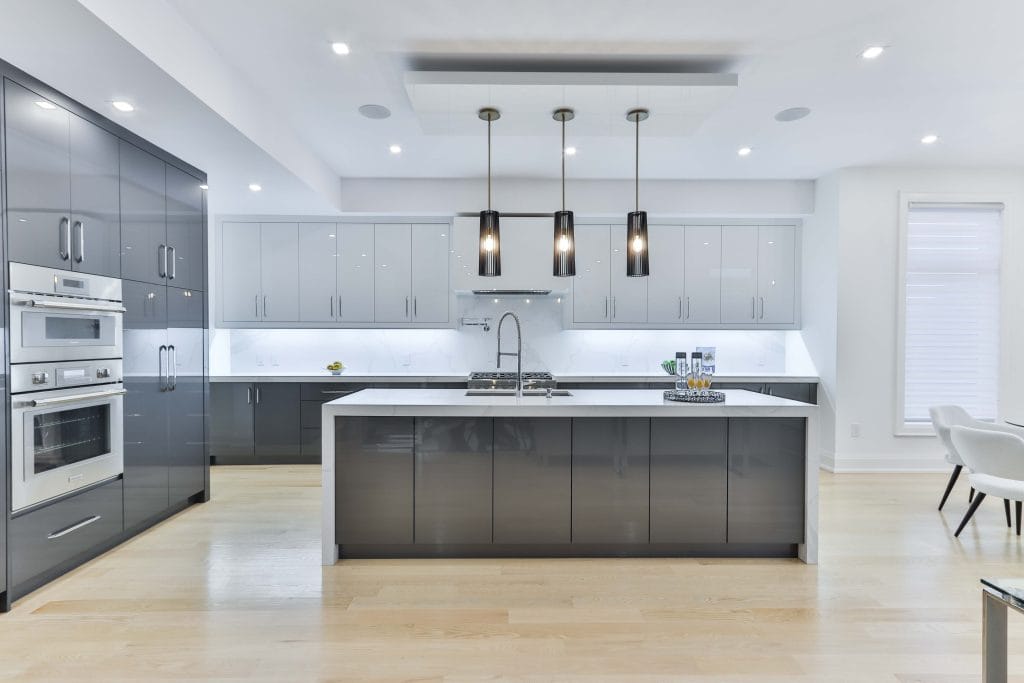
An effectively designed kitchen layout is imperative for enhancing the ease and enjoyment of cooking and entertaining. The implementation of this solution has the potential to enhance overall efficiency, facilitate organisational processes, and guarantee adequate storage capacity for personal belongings. This article aims to examine the significance of a meticulously designed kitchen layout.
Efficiency
An optimal kitchen arrangement has the potential to enhance overall efficiency. Efficiently organising all components in their appropriate locations can result in time and energy conservation during meal preparation. For instance, arranging the stove, sink, and refrigerator in a triangular configuration can enhance ease of movement and facilitate convenient access to essential items.
Organisation
An effectively designed kitchen layout can facilitate optimal organisation. The implementation of designated areas for each item facilitates the organisation of belongings, thereby ensuring that each item has a designated space and can be easily located when needed. This practice has the potential to mitigate the presence of disorganised and untidy surroundings, thereby facilitating the process of tidying up.
Safety
An optimal kitchen arrangement can additionally enhance the safety of cooking activities. The provision of adequate space for movement and accessibility to necessary resources can effectively mitigate the likelihood of accidents. Furthermore, positioning the stove and oven in areas with minimal foot traffic can effectively mitigate the risk of burns and other related injuries.
Entertaining
An effectively designed kitchen layout has the potential to enhance the overall experience of hosting social gatherings. The implementation of an effective layout facilitates the efficient preparation and presentation of food, thereby reducing stress levels and enhancing the overall enjoyment for both the host and guests. This holds particularly true if one enjoys hosting dinner parties or engaging in other forms of social gatherings.
The Importance of Family Time in Promoting Well-being and Healthy Relationships
An effectively designed kitchen arrangement can additionally facilitate increased opportunities for familial bonding. By establishing a congenial and inviting ambience, one can foster a propensity for familial engagement within the culinary domain. Engaging in the activity of cooking together or engaging in casual conversation while preparing a meal can be an enjoyable experience.
ERGONOMICS IN KITCHEN DESIGN
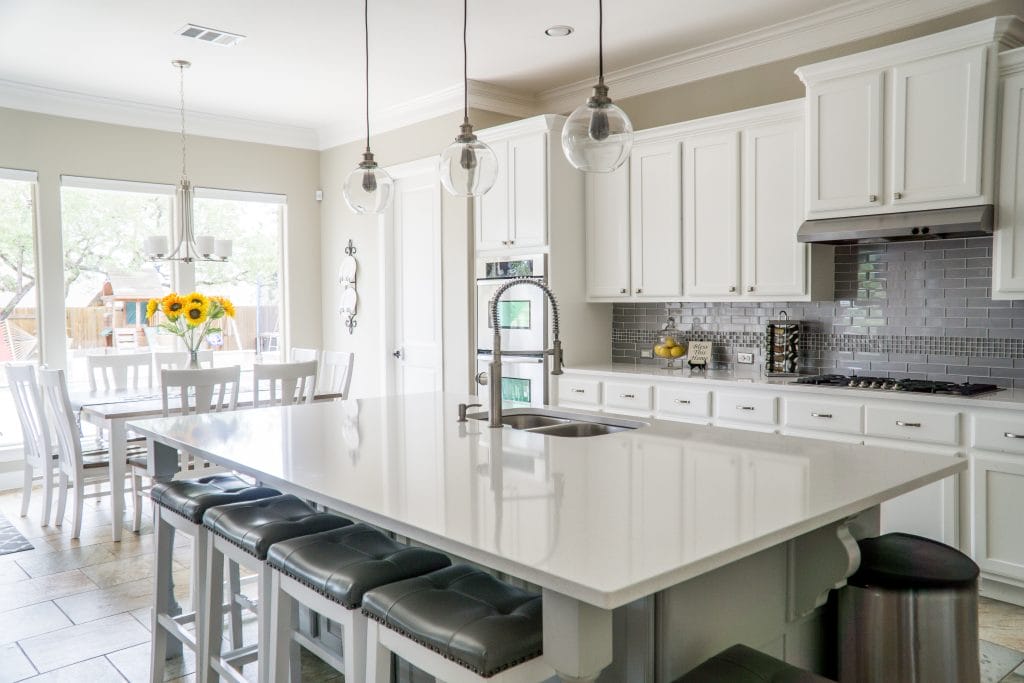
What is Ergonomics?
Ergonomics is a crucial aspect of kitchen design that focuses on optimising efficiency and comfort. By considering ergonomics in your kitchen layout, you can create a space that promotes easy movement, reduces strain, and enhances your overall cooking experience.
Importance of proper heights and spacing:
- Counter heights: One key consideration is the height of your worktops. Ensure they are at a comfortable level, typically around 36 inches, to minimise back strain while working.
- Appliance placement: Place frequently used appliances, such as the refrigerator and oven, at an appropriate height to avoid unnecessary bending or stretching.
The work triangle:
- Definition: The work triangle refers to the efficient placement of the three main kitchen components: the refrigerator, sink, and stove. These elements should form a triangle to facilitate a smooth workflow.
- Triangle guidelines: Each leg of the triangle should measure between 4 and 9 feet for easy movement. Avoid any obstacles, like islands or cabinets, within the triangle to prevent congestion.
Lighting Considerations:
- Task lighting: Install adequate task lighting above work areas, such as worktops and the stove, to ensure clear visibility while cooking.
- Ambient lighting: Incorporate ambient lighting to create a pleasant atmosphere in the kitchen, making it an inviting space for cooking and gathering.
Maximising storage and accessibility:
- Cabinets and drawers: Opt for cabinets and drawers with easy-to-reach handles or pulls. Install pull-out shelves or deep drawers to maximise storage and avoid the need to bend or reach excessively.
- Corner solutions: Utilise corner cabinets with rotating shelves or pull-out organisers to ensure efficient access to often underutilised corner spaces.
- Accessibility aids: Consider installing pull-down shelves or adjustable height worktops for individuals with mobility challenges.
Comfortable Movement and Clear Pathways:
- Clear walkways: Maintain wide and unobstructed walkways within your kitchen layout to allow for easy movement. Aim for at least 36 inches of space between worktops or islands.
- Island considerations: If incorporating an island, ensure sufficient space for manoeuvring around it and consider adding seating on one side for social interaction while cooking.
Safety Measures:
- Flooring: Choose slip-resistant flooring materials to minimise the risk of accidents in the kitchen.
- Rounded edges: Opt for worktops with rounded edges to prevent accidental bumps and injuries.
By integrating ergonomic principles into your kitchen layout, you can create a space that not only looks aesthetically pleasing but also enhances your cooking
HOW TO DESIGN A KITCHEN LAYOUT

Evaluating the Availability of Space:
The initial step involves measuring the dimensions of the kitchen area, encompassing the length, width, and height of the walls. The provided information will serve as the fundamental basis for the development of your layout design.
- Identify structural elements: Observe and document any architectural features, such as windows, doors, or columns that may influence the positioning of your kitchen elements.
- Assessing traffic flow: It is imperative to analyse the movement of traffic within the kitchen area, to ensure unimpeded and unobstructed pathways.
Taking Into Account the Requirements of Users:
- Identify your culinary approach: Assess your utilisation of the kitchen space and ascertain your distinct requirements for cooking. Are you a passionate baker who necessitates a generous amount of countertop area? Alternatively, one might prioritise the aspect of entertainment and therefore require a generously sized island to accommodate guests.
- The Impact of Family Size on Lifestyle: When contemplating the dimensions of one’s household and their respective way of life, it is important to take into account various factors. For individuals with young children, it may be advisable to incorporate a dedicated space that facilitates their active involvement in culinary endeavours.
Evaluate your storage requirements by considering the assortment of culinary apparatus, utensils, and provisions in your possession. Calculate the necessary storage capacity needed to maintain an organised and functional kitchen.
Designing a Floor Plan:
- Create a preliminary Illustration: Commence the process by generating a preliminary illustration of the kitchen area, encompassing the walls, windows, and doors. Utilise a measurement scale that enables the precise representation of the dimensions.
- The implementation of designated areas. The kitchen can be effectively organised by partitioning it into distinct zones according to their respective functionalities, which typically include cooking, cleaning, and storage. This will aid in ascertaining the positioning of household appliances, the washbasin, and the allocation of the worktop area.
- The concept of the Work Triangle is worth considering. The concept of the work triangle is employed in kitchen design, wherein the refrigerator, sink, and stove are strategically positioned to form an efficient triangular arrangement. Arrange these elements in a manner that reduces superfluous motion.
The Process of Choosing Appliances and Fixtures.
- Appliance placement: Opt for a suitable position for appliances per their intended purpose and the spatial arrangement within your kitchen. When evaluating the layout of a kitchen, it is important to take into account various factors, including the presence of adequate ventilation for the stove as well as the proximity of the stove to the washbasin and refrigerator.
- Optimal washbasin placement: Ideally, situate the washbasin close to a window, as this arrangement provides the advantages of abundant natural lighting and an aesthetically pleasing vista. It is imperative to ensure that the location is strategically positioned to facilitate convenient access to water sources and plumbing infrastructure.
- worktop space allocation: It is essential to ensure an adequate allocation of countertop space close to the cooking and preparation areas to facilitate convenient food preparation and plating.
- Storage solutions: The topic of discussion pertains to storage solutions. Choose cabinets and drawers that offer sufficient storage capacity for the essential items in your kitchen. When evaluating various aspects, it is important to take into account factors such as accessibility, organisation systems, and aesthetic appeal.
Electrical and Plumbing Requirements
When taking into account the electrical and plumbing requirements, several factors need to be considered.
The determination of the quantity and positioning of electrical outlets in a kitchen is contingent upon the power demands of the various appliances present. It is imperative to ensure the provision of an adequate number of electrical outlets to enhance convenience and promote safety measures.
- Factors to Consider in Plumbing Systems: Formulate a comprehensive strategy for the arrangement of the washbasin, dishwasher, and supplementary plumbing fixtures, taking into account the pre-existing plumbing infrastructure and the availability of water sources.
- Requesting Expert Consultation: Consider seeking guidance from a professional kitchen designer if you find yourself feeling overwhelmed or uncertain during the design process. These professionals possess the knowledge and skills to offer specialised guidance and assist in the development of a practical and visually appealing design.
In short, the process of designing a kitchen layout necessitates meticulous deliberation of the space at hand, the requirements of the users, and the overall functionality. Through a comprehensive evaluation of the spatial dimensions, a thorough comprehension of one’s culinary preferences, and the development of a meticulously planned layout, it is possible to conceive a kitchen that optimises productivity and fulfils individualised specifications.
It is important to carefully choose appliances and fixtures that are compatible with one’s specific needs, taking into account both electrical and plumbing considerations. If necessary, it is advisable to consider seeking professional assistance to guarantee the achievement of a successful kitchen layout design.



