

Yes, quartz worktops are safe to have in your home. A finished worktop sitting in your kitchen doesn’t give off anything harmful. The risk is to the people making it. Cutting and polishing quartz releases fine silica dust, and breathing that in can cause serious lung disease. Fabricators control it by cutting wet, extracting dust and wearing the right protection, so what you need to check is how your worktop is being made.
Quartz has had a lot of bad press lately, and we understand why people are asking. As Mubeen Patel at Granite House puts it: “Quartz in itself is not an issue. The problem is the people making it, and how it’s been made.”
Where the silica risk actually is
The risk comes from dust made during fabrication, not from the worktop itself.
Quartz worktops are engineered stone: crushed quartz bound with resin. Quartz is a form of crystalline silica, and traditional quartz worktops are around 90% silica, though lower-silica versions are now available. Cutting, grinding or polishing the material throws off very fine particles called respirable crystalline silica. Breathed in over time, that dust can cause silicosis, a serious and incurable lung disease, and with engineered stone it can develop much faster than with other sources of silica dust.
Once your worktop is fitted, nothing is cutting it, so there’s no dust. Cooking on it, cleaning it and using it every day don’t release harmful silica. That’s why quartz in your kitchen isn’t a risk to you or your family.
Silica isn’t only found in quartz, either. Granite typically contains around 30%, porcelain around 20% and marble very little. Any worktop material with silica in it, granite and porcelain included, needs to be fabricated properly. Quartz usually has the most, so that’s where the industry and the HSE have focused.
What the HSE changed in 2026
Nobody should be dry cutting quartz, and since May 2026 the Health and Safety Executive (HSE) has said so in writing.
On 11 May 2026, the HSE published its first COSHH guidance written specifically for engineered stone. It says dry cutting is unacceptable and that water suppression is how businesses should meet their legal duty to control silica dust. HSE research found that dry fabrication can expose workers to five to ten times more silica than wet methods using equivalent tools.
The guidance also asks businesses to:
- Use on-tool water suppression when cutting and fabricating
- Control the mist and airborne dust that work creates
- Provide suitable respiratory protective equipment
- Use engineered stone with the lowest practicable silica content
The HSE also started an inspection programme targeting worktop fabricators across Britain.
We’re glad to see it. Firms that already work safely carry the cost of doing it properly, and Mubeen’s view is that unsafe practice only carries on because the people buying the worktop never see where it was made.
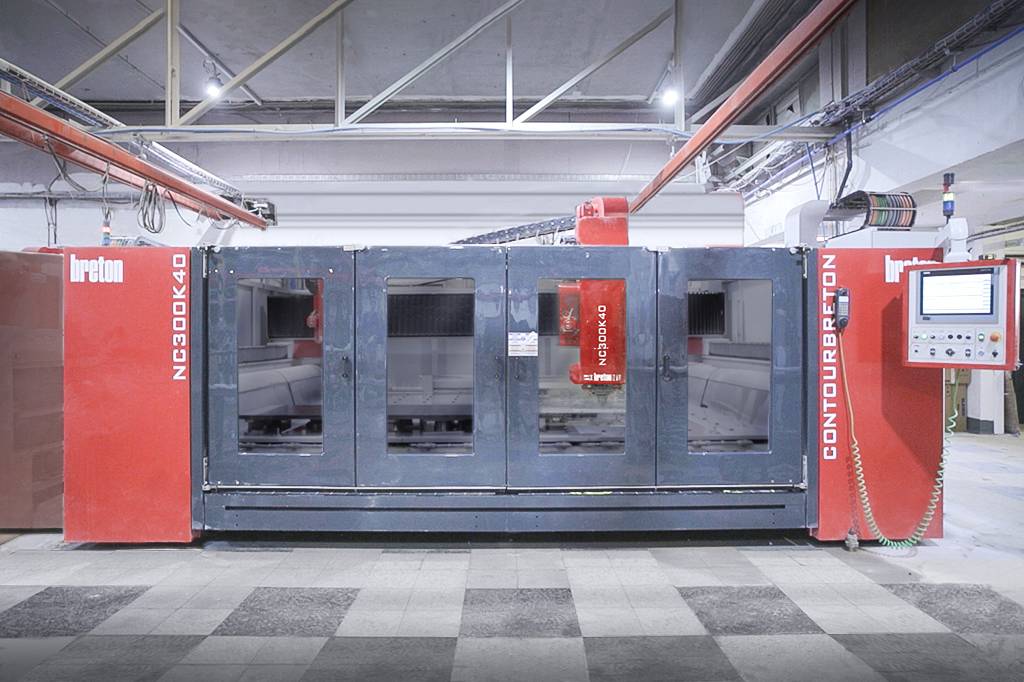
What safe quartz fabrication looks like
A safe workshop is wet, extracted and properly equipped, and you should be able to see that for yourself.
At Granite House, our saws and machines cut with water, so dust is controlled at the source instead of being thrown into the air. A misting system keeps down any fine dust in the workshop, and extraction draws it away from where people are working. Every operator wears the right respiratory protection, and the team wear safety clothing so they don’t take dust home to their families.
None of that is optional, and all of it costs money: the equipment, the maintenance and the PPE. It’s one reason quotes for the same quartz worktop can vary so much between fabricators. We’re also proud members of the Worktop Fabricators Federation (WFF), the UK trade body for stone worktop fabricators. It audits members against industry standards and puts silica safety at the centre of its guidance.
Unsafe fabrication looks very different: someone cutting in a back garden with a nine-inch grinder, or a workshop with dust all over the place, no proper masks and nothing being cut wet. As Mubeen puts it: “All right, you might want your worktop at a cheap price, but you want to make sure you haven’t got some poor soul paying for it with their lungs.”
How to check your worktop fabricator
The simplest check is to go and look. Ask to see the workshop where your worktop will be made. A good fabricator will be happy to show you round.
When you’re there, look for these:
- Is everything cut wet? Water should be running on the saws and tools.
- Is there dust suppression and extraction? The workshop shouldn’t look dusty.
- Are the team wearing proper masks? The right respiratory protection for the job, worn properly.
- Have they got the relevant PPE? Including workwear that keeps dust off their own clothes.
- Is the cutting done in a controlled workshop? Not in someone’s garden or an open shed.
If you can’t visit, ask the same questions over the phone. A fabricator who works safely will answer them straight away. Membership of a trade body that audits its members, such as the WFF, is another good sign.
You chose the fabricator
It’s easy to see workshop safety as somebody else’s problem. But you chose the fabricator, so the decision is yours. A bit of research before you buy tells you what you’re getting and how it was made.
The same goes for kitchen companies and designers specifying worktops for clients. The fabricator you recommend reflects on you, and knowing how they work protects your reputation as well as their team.
So don’t be put off quartz. Do your research when you buy it, and you can enjoy your kitchen knowing exactly how it was made.
Quartz Safety FAQs
Yes. The risk from silica dust is during fabrication, when the material is cut, ground or polished. A finished, fitted worktop doesn’t release harmful dust through normal use.
Silicosis is a serious lung disease caused by breathing in fine crystalline silica dust over time. It’s a risk for workers who cut stone without proper controls, which is why wet cutting, extraction and protective equipment matter so much.
The HSE’s May 2026 guidance says dry cutting engineered stone is unacceptable, and that water suppression is how businesses should meet their legal duty to control silica dust.
No. Quartz worktops can still be bought, fabricated and fitted in the UK. Australia banned engineered stone in 2024, and some UK kitchen companies have stopped selling high-silica quartz, but the UK has gone for tighter controls instead of a ban. The HSE’s 2026 guidance rules out dry cutting and asks for water suppression, dust control and lower-silica stone where practicable.
For the people cutting it, yes. Less silica in the slab means less respirable silica in the dust, which is why the HSE asks businesses to use engineered stone with the lowest practicable silica content. It still needs cutting wet with proper dust control. In your kitchen, a finished worktop is safe either way.
Yes. Granite and many other natural stones contain silica, as does porcelain, though usually far less than traditional quartz. Marble contains very little. Any worktop material containing silica should be fabricated with proper dust control. Our granite vs quartz guide covers how the two compare in everyday use.
There can be good reasons, such as a fabricator with surplus stock. But proper safety equipment costs money, and a much cheaper price can sometimes mean corners are being cut. It’s always worth asking how the worktop will be made. If you’d like a quote from us, get in touch and we’ll show you how yours will be made.
Yes. Come and see us, have a look around and see the setup for yourself. You can book a showroom visit, call the team on 01772 440888 or email [email protected]. We’ll talk you through the pros and cons of every material, too.


