
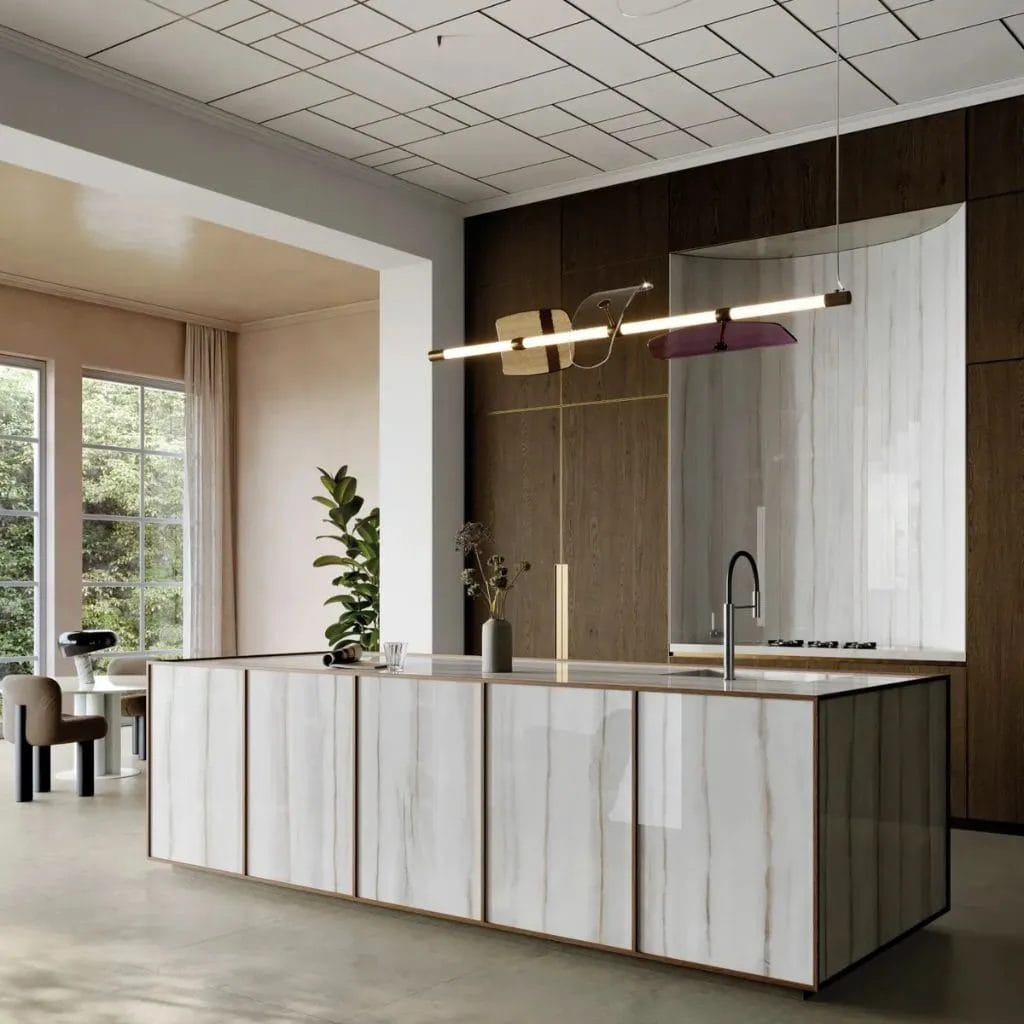
When choosing materials for kitchen worktops, porcelain is increasingly becoming a popular choice due to its durability and aesthetic appeal. But with its rising popularity, many homeowners have questions about the characteristics and performance of porcelain worktops. Here, we’ll dive deep into the common queries about porcelain workrtops and provide comprehensive answers.
Are Porcelain Worktops Expensive?
The cost of porcelain worktops can vary widely based on factors like quality, design, and thickness. Generally, porcelain is considered a mid-range to high-end material in the kitchen worktop market. While it may not be as expensive as high-quality granite or quartz, it tends to be pricier than laminate or some types of tile. The price reflects porcelain’s durability, the technology used to produce it, and its aesthetic qualities, including the ability to mimic materials like marble, granite, and wood.
Are Porcelain Worktops Durable?
Porcelain worktops are known for their exceptional durability. These worktops are crafted from refined clay that is fired at extremely high temperatures, reaching up to 1400 degrees Celsius. This process vitrifies the clay, transforming it into a material that is both hard and dense, which is crucial for its durability.
The high density of porcelain makes it resistant to the common wear and tear found in busy kitchen environments, such as scratches, dents, and chips. This toughness ensures that porcelain worktops can endure the demands of daily kitchen activities over many years without showing signs of age or damage, maintaining their aesthetic appeal and structural integrity. This makes porcelain an excellent long-term investment for those seeking a durable and long-lasting kitchen worktop material.`

Are Porcelain Worktops Heat Resistant?
Porcelain worktops are renowned for their exceptional heat resistance, making them both practical and safe for kitchen use. These worktops are crafted from materials that withstand extremely high temperatures during manufacturing, enabling them to tolerate the direct contact of hot pots, pans, and baking dishes without damage.
Unlike laminate or certain natural stones that may scorch or crack when heated, porcelain retains its integrity and appearance. This resistance ensures the worktop remains hygienic and easy to clean, free from cracks where bacteria could linger. By eliminating the need for trivets or heat pads, porcelain worktops simplify kitchen tasks and maintain their aesthetic appeal, making them an ideal choice for busy kitchens.
Are Porcelain Worktops Scratch Resistant?
Porcelain stands out as a highly scratch-resistant material, thanks to its tough, hard surface developed through high-temperature firing processes. This characteristic is particularly advantageous in busy kitchen environments where worktops endure frequent use during meal preparation. The robust nature of porcelain means it can handle most kitchen utensils and activities without showing signs of wear such as scratches or scuffs.
However, despite its durability, it’s still advisable to use cutting boards when preparing food. This practice not only helps to avoid any risk of damage from exceptionally sharp objects or heavy impacts but also contributes to maintaining the worktop’s pristine condition over time. Using cutting boards can extend the life of the worktop by acting as a protective layer, thus preserving the aesthetic appeal and structural integrity of the porcelain surface.
Are Porcelain Worktops Man-Made?
Yes, porcelain worktops are indeed man-made. They are meticulously crafted using a blend of natural materials such as clay, feldspar, and quartz. These components are then finely ground and mixed before being subjected to extremely high temperatures during the firing process. This crucial step not only transforms the raw materials into a dense, durable product but also vitrifies them to create a non-porous and resilient surface.
The manufacturing process of porcelain allows for remarkable versatility in terms of aesthetics. It enables the creation of a wide range of designs and finishes, effectively mimicking the look of more expensive or less durable natural stones like marble, granite, or limestone.
Can Porcelain Worktops Crack?
While porcelain worktops are highly durable, they are not completely immune to cracking. The potential for cracks can occur under conditions of extreme impact or if the worktops are improperly installed. For instance, dropping very heavy objects directly onto the surface or experiencing severe structural shifts in the home can create stress points where cracks might develop.
However, when porcelain countertops are properly installed with the correct support and methods, the likelihood of cracking is greatly minimised. Under normal kitchen use—such as everyday cooking activities and regular handling—the material proves to be resilient and reliable. With careful handling and maintenance, porcelain remains a sturdy and dependable choice for kitchen worktops, capable of withstanding the rigours of daily use without significant risk of damage.

Can Porcelain Worktops Be Repaired?
Yes, porcelain worktops can be repaired if they become chipped or cracked. The process typically involves using special fillers that are carefully matched to the colour and texture of the existing porcelain. This helps to ensure that the repairs blend as seamlessly as possible with the surrounding area.
However, it’s important to manage expectations regarding the visibility of the repairs. While minor damages can be effectively masked, the repaired area may not be completely invisible, especially if the damage is extensive or in a very noticeable location. To achieve the best results and maintain the countertop’s aesthetic appeal and longevity, it is highly recommended to engage a professional.
Can I put hot pans on a porcelain worktop?
Yes, porcelain is incredibly heat-resistant. It’s fired at extremely high temperatures during production, so it can easily handle hot pans straight from the hob or oven. That said, while the surface can take the heat, it’s still good practice to use trivets or pan stands if you want to play it safe and keep your worktop looking its best for years to come.
Can I use porcelain on other surfaces like walls, floors, splashbacks?
Absolutely. Porcelain’s versatility is one of its strongest selling points. It’s not just for worktops, it can be used on splashbacks, walls, and even floors, indoors and out. Because it’s so durable and resistant to moisture, it’s ideal for bathrooms and utility rooms too. If you’re after a seamless, modern look throughout your space, porcelain’s a great choice.
How Long Do Porcelain Worktops Last?
With proper care and maintenance, porcelain worktops can last for decades. Their lifespan often rivals that of other popular materials like granite or quartz, making them a sound investment for homeowners looking for both style and durability.
Porcelain worktops offer a blend of functionality and beauty, suitable for modern kitchen designs. Their resistance to heat, scratches, and their overall durability make them an excellent choice for any kitchen. While they may carry a higher price tag than some alternatives, the benefits of porcelain are often worth the investment, particularly for those seeking a long-lasting, stylish kitchen surface.

How Long Do Porcelain Worktops Last?
One of the biggest perks of porcelain is just how low-maintenance it is. It doesn’t need sealing like granite or marble, and thanks to its non-porous surface, it’s highly resistant to stains and bacteria, making it ideal for busy kitchens. For day-to-day cleaning, a quick wipe down with warm soapy water and a soft cloth is all you need. Avoid anything too abrasive, like steel wool or harsh chemicals, as they’re unnecessary and could dull the finish over time.
What’s the installation process like?
Installing porcelain worktops is a job for the professionals. Because it’s a dense and hard material, it needs to be cut with specialist equipment and handled with care to avoid chipping. Once measured and templated, your worktops will be custom-fabricated off-site and then fitted in place. It’s usually a smooth process, but depending on the complexity of the design, it might take a couple of visits – one for templating, and another for installation.
Is porcelain environmentally friendly?
Porcelain is considered one of the more eco-friendly worktop options. It’s made from natural raw materials like clay, feldspar, and sand, and many manufacturers use recycled content in their slabs. It’s also long-lasting, which means fewer replacements over time. Plus, because it doesn’t need any chemical sealants or coatings, it’s a good choice for those looking to minimise their environmental footprint.
Summary
Porcelain worktops offer an excellent blend of durability, aesthetics, and functionality, making them a standout choice for modern kitchens. They are particularly valued for their long lifespan, ability to mimic natural stones like marble and granite, and superior resistance to kitchen wear such as heat and scratches. While porcelain is more expensive than some alternatives, its maintenance ease and robust performance justify the investment. This makes porcelain not just a practical choice but a stylish one too, capable of elevating any kitchen design while promising decades of reliable use. In summary, for homeowners seeking a blend of style and durability, porcelain worktops are undoubtedly a sound investment.
- Durable
- Low Maintenance
- Variety of Colours and Styles
- Non-Porous
- Heat Resistant
- Great for Outdoors
- Not Natural
- Visible Repairs
- Risk of Cracking
- Generally More Expensive


